

Introduction
I stepped into the head of marketing role mid-process. The previous person had left, the rebrand was already in motion, and the date was fixed. There was no runway to rethink the strategy, only time to understand what existed, identify what was missing, and execute cleanly. The company was transitioning from one identity to another entirely, and that transition had to land across every surface simultaneously: physical, digital, and financial.
Taking Stock
When I came in, several workstreams were running in parallel without a clear owner coordinating across them. Card manufacturers needed sign-off on new Visa card designs. Physical packaging and documentation were in draft. The website needed a full overhaul. Social assets across every platform required rebuilding. A series of press releases announcing the rebrand and the launch of new ERC-20 tokens was being drafted. And a new version of the app — for both iOS and Android — was heading toward its own launch date that happened to be the same day.
None of these could slip independently. The rebrand was a public event with a fixed date, and any asset going live with the old identity after that date would undermine the whole thing.
Coordinating the Build
I mapped every deliverable against the launch date and identified which workstreams had dependencies between them. The card manufacturer timeline had hard lead times that couldn’t be compressed. The app launch introduced A/B testing variables that needed to be defined before the build finalised. The press releases needed to reference the new ERC-20 token integrations accurately, which meant those partnerships had to be confirmed before the PR copy could be locked.
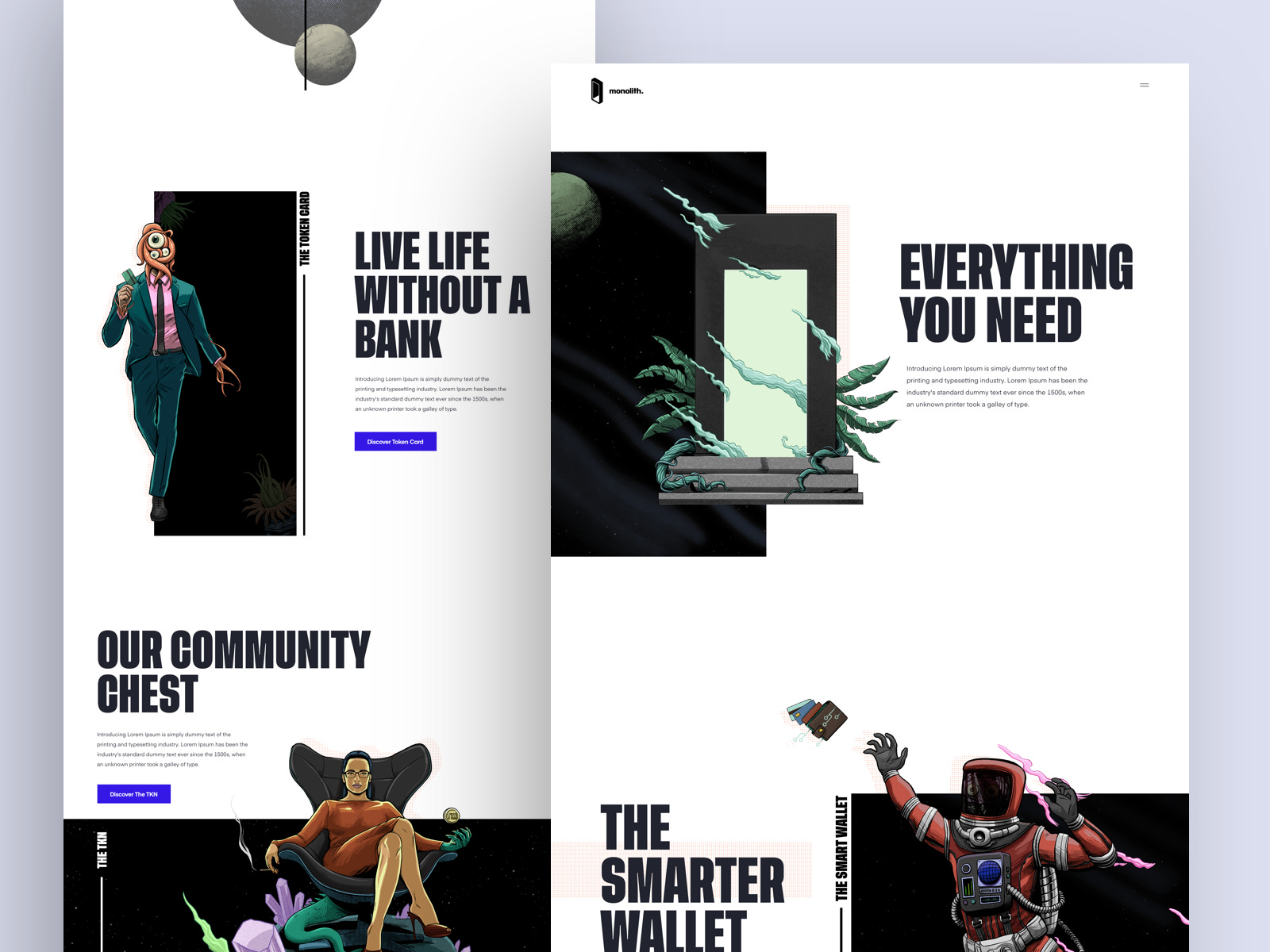
The website overhaul ran alongside all of this. It wasn’t a cosmetic update — the messaging, the product framing, and the visual identity were all changing. SEO implications had to be managed to avoid losing existing search equity during the transition. Every URL, redirect, and metadata field got reviewed before launch.
Social assets were rebuilt to reflect the new visual identity across the brand’s full channel presence. The tone shift was intentional: the new identity was designed to feel bolder and more direct than what had come before, and the content had to carry that through consistently rather than treating it as a logo swap.
The Launch
The rebrand went live on schedule. The new app launched for iOS and Android on the same date, with A/B tests running from day one to collect data on user behaviour under the new identity. Press releases announced the rebrand, the new token integrations, and new partnerships with two established names in the decentralised finance space, adding MKR, DGX, and DGD to the supported assets alongside the existing options.
The redesigned Visa debit cards became usable at over 65 million points of sale worldwide. The new visual identity landed across all channels in a consistent state. No major assets surfaced with the old branding after the go-live date.
Conclusion
A rebrand of this scope is not a creative project with a marketing tail. It is a logistics problem first, and a creative one second. The visual work only holds if everything that carries it — the cards, the packaging, the app, the press, the website — lands together and on time. Getting that right required understanding which decisions were irreversible, which timelines had real constraints, and which workstreams were waiting on each other without anyone having made that dependency explicit. That is the work that made the launch date land cleanly.