

Introduction
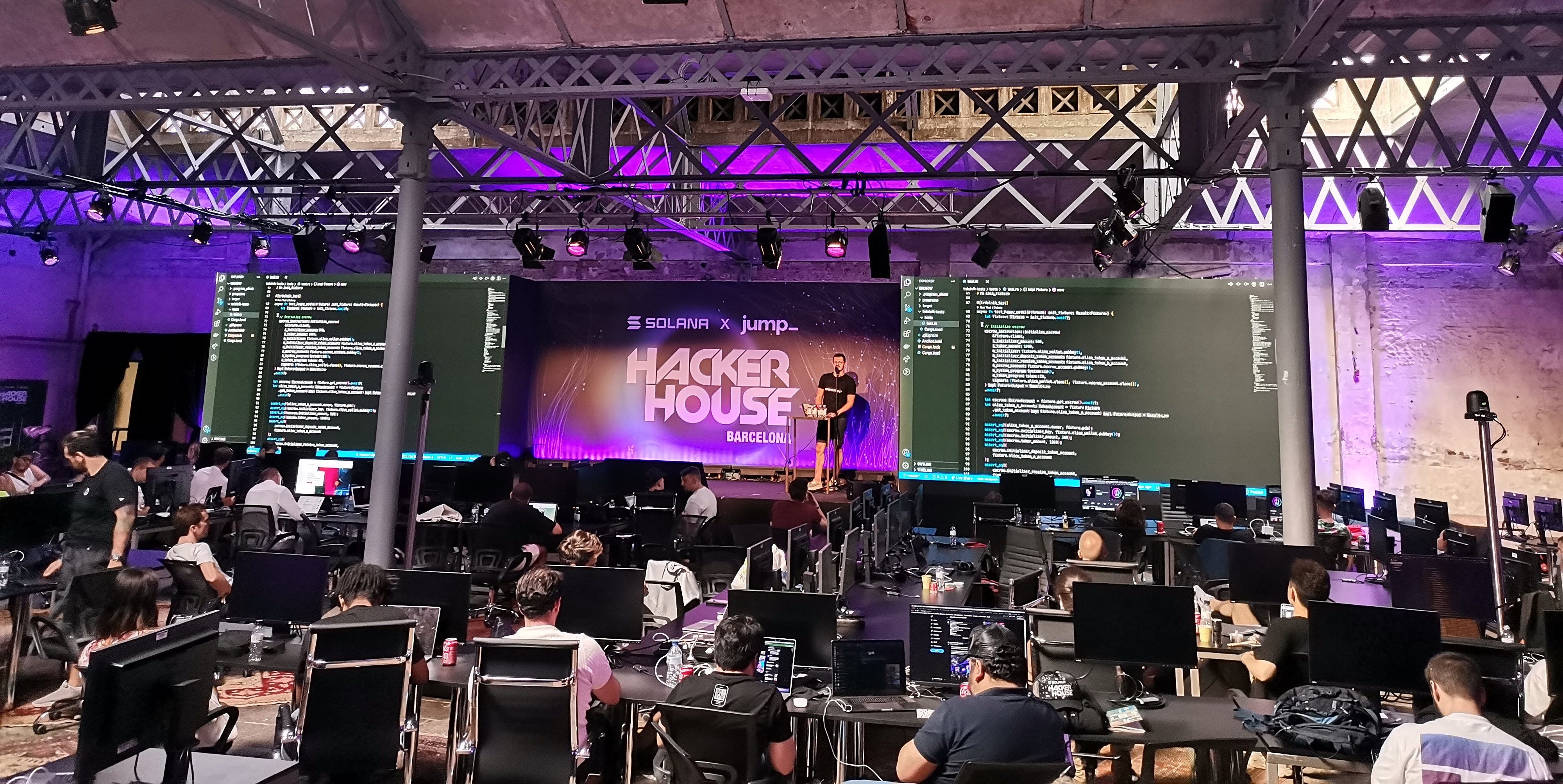
I led the strategic launch of a decentralised finance platform built on the Solana ecosystem. The brief extended beyond the launch event itself. The objective was to reach meaningful user numbers at launch and sustain that trajectory through the post-launch period, when attention from new platforms typically drops and only the users with genuine conviction remain.
The Pre-Launch Phase
The work before the launch event was as consequential as the event itself. I commissioned a comprehensive Gitbook to serve as the educational foundation for the platform. In DeFi, the gap between a technically sophisticated product and its potential user base is often a documentation problem. Users who cannot understand what a protocol does, why it works the way it does, or what risks are involved do not participate. The Gitbook was not marketing material. It was reference documentation written for a technical audience, covering the protocol’s mechanics in detail.
Alongside the documentation, I ran community engagement through Discord, focusing activity on the Solana ecosystem rather than a general DeFi audience. The Solana community had specific expectations about how projects conducted themselves, and reaching them required participating in that ecosystem genuinely rather than broadcasting into it. Early adopters were treated as contributors. Their feedback informed adjustments to the product before the full launch.
Media placement and strategic appearances were sequenced into the pre-launch period to build awareness without exhausting the available attention before the launch event itself. Influencer coordination followed the same logic. The goal was coverage at the right moment, not maximum volume as early as possible.
The Launch
The launch event was designed as a concentrated moment of activity across all channels simultaneously. Media coverage, influencer posts, and community activity aligned on a single day. That simultaneity mattered. In a saturated market, a trickle of announcements across a week produces less signal than coordinated activity across a single day that reinforces itself.
The post-launch media campaign ran immediately after the event and sustained coverage during the period when new platforms are most vulnerable to a drop in attention. Users acquired during a launch period who see no further signal from a project in the following weeks often disengage. The campaign gave them a reason to stay engaged and gave new users outside the initial audience a reason to investigate the platform.
Sustaining Through Market Fluctuations
The DeFi market moved significantly during the post-launch period. The platform’s position held. Community engagement did more of that work than marketing in the conventional sense. Users who understood the protocol well enough to explain it to others, who had participated in its development through feedback, and who had been addressed directly through AMAs and updates, were less likely to disengage when broader market sentiment declined.
The feedback loop with early adopters that began in the pre-launch period continued as an ongoing mechanism. The community had a visible channel for raising issues, and the team had a process for responding to them. That combination is what makes a community an asset rather than an audience.
Conclusion
The platform’s resilience through market fluctuations came from decisions made before the launch, not responses to conditions after it. The users who remained through difficulty were the ones who had been given genuine reason to participate from the beginning. Launch mechanics produce users. The documentation, the feedback loops, and the community infrastructure produce the ones who stay.